DC Water Investigates Sanitary Sewer Overflow Risk on Potomac Interceptor Segment in Montgomery County, Maryland
What DC Water is investigating
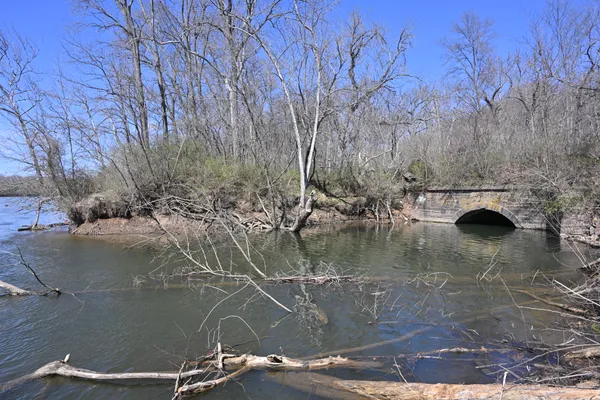
DC Water is investigating a sanitary sewer overflow (SSO) concern tied to the Potomac Interceptor, a major regional wastewater conveyance line that carries sewage flows from parts of Virginia and Maryland toward Washington, D.C., for treatment. An SSO involves the release of untreated wastewater from a sanitary sewer system, typically caused by equipment failure, blockages, structural damage, or capacity constraints associated with unusual flow conditions.
While the investigation is underway, the utility has emphasized in prior overflow communications that the District’s drinking water infrastructure is separate from the wastewater system, meaning wastewater incidents do not automatically translate into impacts on drinking water service.
Why the Potomac Interceptor matters regionally
The Potomac Interceptor is a long-distance sanitary sewer system built after federal authorization in 1960 and constructed in the early 1960s. It functions as a backbone pipeline moving wastewater from communities near Washington Dulles International Airport through Northern Virginia and into the Washington region’s collection and pumping network before flows are ultimately treated at the Blue Plains Advanced Wastewater Treatment Plant.
The system spans multiple segments and jurisdictions. DC Water operates and maintains most of the Potomac Interceptor system, while a Maryland segment known as the Maryland Upper Potomac Interceptor is operated and maintained by the Washington Suburban Sanitary Commission (WSSC Water), reflecting the cross-jurisdictional nature of the infrastructure.
Infrastructure condition and active rehabilitation work
DC Water has been engaged for years in inspection and rehabilitation of the Potomac Interceptor. Inspections conducted earlier in the past decade identified widespread corrosion across many segments, along with areas of settled deposits—conditions that can contribute to operational problems and increase the risk of failures if not addressed through rehabilitation and maintenance.
Recent project activity underscores the scale of work underway along the corridor. In 2025, DC Water began an eight-month rehabilitation effort along Clara Barton Parkway in Maryland to reline an 800-foot segment using sliplining, a method that inserts a new pipe within an existing pipe to extend service life while reducing excavation and traffic disruption. Separate work near Great Falls brought a newly rehabilitated segment into service in October 2025 after a bypass pumping setup was removed and flows were reconnected to upgraded infrastructure.
Potential public health and environmental considerations
Untreated wastewater can contain pathogens, and wastewater releases can affect nearby waterways and public spaces depending on location and conditions. In earlier incidents involving wastewater overflows in the region, agencies have coordinated temporary access restrictions and cleanup operations to reduce exposure risks and to decontaminate impacted areas.
- SSOs can pose direct contact risks where wastewater reaches streets, trails, or storm drains.
- Waterway impacts depend on volume, duration, and whether the discharge reaches receiving waters.
- Ongoing rehabilitation projects aim to reduce the likelihood of failures on aging, high-consequence lines.
The Potomac Interceptor is one of several large, aging sewer assets that require continuous inspection, targeted rehabilitation, and coordinated operations across local and regional partners to maintain reliable wastewater service.
What to watch next
The next key milestones will be operational findings from the investigation, any confirmed cause (such as a localized defect, equipment issue, or abnormal flow event), and any immediate mitigation steps such as repairs, monitoring, or temporary access controls in affected areas. Construction and restoration activities tied to Potomac Interceptor rehabilitation are continuing into 2026 in multiple locations along the system.