DC temporarily suspends sidewalk snow-removal fines as ice compacts; property owners still must clear paths
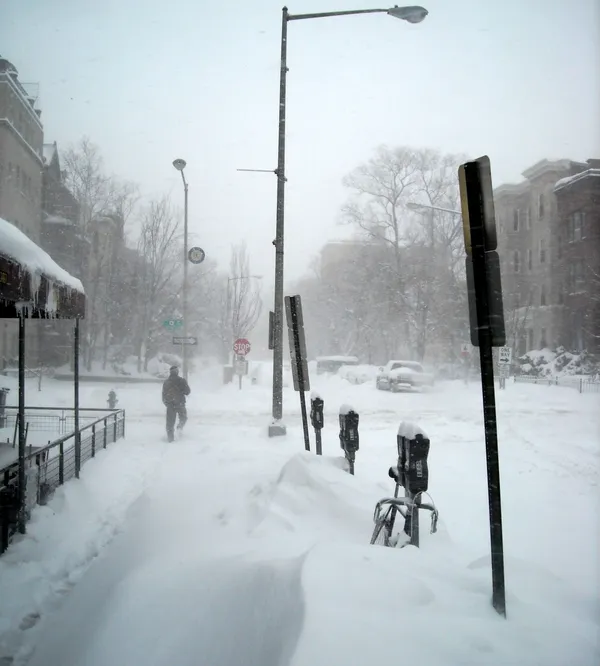
Enforcement pause amid difficult cleanup conditions
Washington, D.C. has temporarily suspended enforcement of fines tied to sidewalk snow-removal requirements, while maintaining that property owners remain responsible for making pedestrian routes passable. The move comes as the city continues to manage lingering, hardened accumulations of snow and ice following a recent winter storm and a period of sustained cold.
City operations have been affected by the extended cleanup, with officials describing conditions in which compacted precipitation has been difficult to break up and remove. In that context, the enforcement pause is intended to prevent penalties in situations where clearing sidewalks quickly is not feasible despite reasonable efforts.
What the law requires, even during a suspension of fines
District law places responsibility for clearing paved sidewalks on the owners of residential and commercial properties that front or abut those sidewalks. The statute requires snow or sleet to be removed within the first eight hours of daylight after it stops falling, with the cleared path extending across the full width of the sidewalk, up to 36 inches wide.
If snow or sleet cannot be removed without damaging the sidewalk surface, the law provides an alternative: the owner must make the sidewalk reasonably safe for travel by applying sand, sawdust, or another appropriate substance within the same eight-hour window.
- Duty applies to both residential and commercial properties that abut paved sidewalks.
- Deadline is measured in daylight hours after snowfall or sleet ends.
- When removal risks damage, treatment for traction is required instead of full scraping.
Who can qualify for an exemption from enforcement
The city operates an exemption program that can shield certain residents from enforcement for not removing snow and ice within the required timeframe. Eligibility is limited to District residents who are age 65 or older or who are disabled, and participation requires approval through the city’s application process for the applicable snow seasons.
The exemption is specific to enforcement and does not change the underlying public-safety objective of keeping sidewalks navigable, particularly near curb ramps and curb cuts used by pedestrians and people with mobility devices.
What residents and businesses should do now
Even with fines temporarily suspended, the city’s position remains that sidewalks, entryways, and related pedestrian access points should be cleared or treated to reduce slip hazards. The continued emphasis on shoveling reflects the division of responsibility in the District: while road plowing is a municipal function, day-to-day sidewalk clearing is largely assigned to abutting property owners.
Key takeaway: Enforcement may be paused, but the legal duty to clear or treat sidewalks remains in place.
City agencies are expected to resume standard enforcement practices once conditions allow, meaning property owners should continue cleanup efforts to avoid future penalties and to support safe pedestrian travel during ongoing winter weather.