D.C., Maryland and Virginia officials to meet Wednesday to review January snowstorm response and coordination gaps
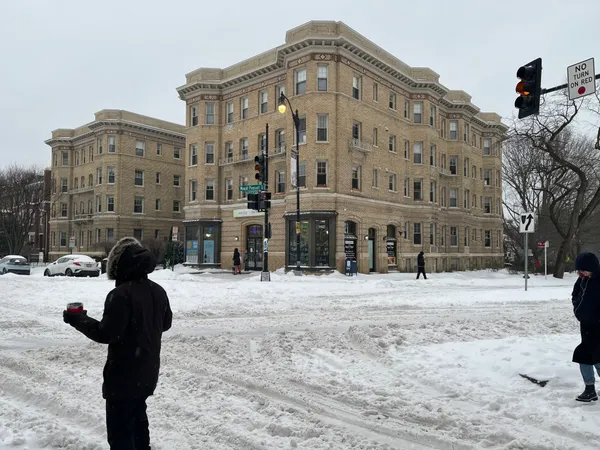
Regional review follows prolonged disruption after Jan. 25 winter storm
Officials from Washington, D.C., Maryland and Virginia are scheduled to meet Wednesday to assess the region’s response to the major winter storm that began Sunday, Jan. 25, 2026, and to identify operational and coordination improvements ahead of future events. The meeting comes after days of hazardous travel, extended school closures, and ongoing complaints about snow and ice removal on neighborhood streets and sidewalks across the metropolitan area.
The storm brought a mix of snow, sleet and freezing rain, followed by sustained low temperatures that hardened roadway accumulations and complicated plowing and treatment operations. In the days immediately after the storm, local leaders across jurisdictions publicly acknowledged the unusual combination of precipitation type and cold as a factor in slow clearing and equipment strain.
What officials faced: dense ice-crusted snow, equipment limits, and extended recovery
During the week of Jan. 26, many residents in the region reported residential streets remaining difficult to navigate even after primary routes improved. Local governments described a shift from standard plowing to more specialized operations, including using heavy equipment to scoop and haul snow piles rather than pushing them to the curb. Officials in the District said the city deployed more than 300 plows during the response and later emphasized hauling operations to address hardened berms and crosswalk obstructions.
Jurisdictions also confronted related infrastructure stress. In suburban Maryland, water systems experienced disruptions during the cold snap, prompting public requests to limit water usage in parts of the service area as repairs proceeded. Public transit services operated on modified schedules during portions of the recovery period, and federal office operations were adjusted with delayed openings and broad telework options as conditions evolved.
Key issues expected on the agenda
Inter-jurisdiction coordination: Aligning decisions that affect cross-border commuting, including travel advisories, office status, and public messaging.
Operational sequencing: Balancing rapid clearing of main corridors with timely access for residential streets, sidewalks, bus stops, and pedestrian routes.
Equipment and materials readiness: Assessing capacity for prolonged ice conditions that can break lighter plows and require loaders, dump trucks, and heavier blades.
Public information and transparency: Improving the reliability of progress reporting tools and clarifying service standards for “passable” streets versus full cleanup.
School and service continuity: Evaluating factors behind multi-day closures and the dependencies on road, sidewalk, and bus-route safety.
How regional snow decision-making is structured
The metropolitan area already uses established coordination mechanisms for major winter events, including regionwide conference calls that bring together weather forecasters, transportation agencies, and multiple levels of government to align operational decisions. Wednesday’s meeting is expected to focus on how that coordination performed under the storm’s extended ice impacts and what procedural adjustments may be needed for future events.
Officials across the region have indicated that after-action reviews are a standard step following major weather emergencies, aimed at documenting lessons learned and revising plans and capabilities.
The outcome of Wednesday’s discussion is expected to inform future storm planning, including equipment strategy, priority-setting for neighborhood access, and shared public communication during prolonged winter conditions.