D.C. and Kansas stadium financing plans face voter and lawmaker backlash over public subsidy exposure
Two stadium negotiations, one recurring question: how much public risk is acceptable?
Washington, D.C. and Kansas are pursuing separate high-dollar stadium arrangements that have triggered similar political disputes: whether public financing tools and tax diversions are justified for projects centered on profitable professional sports franchises.
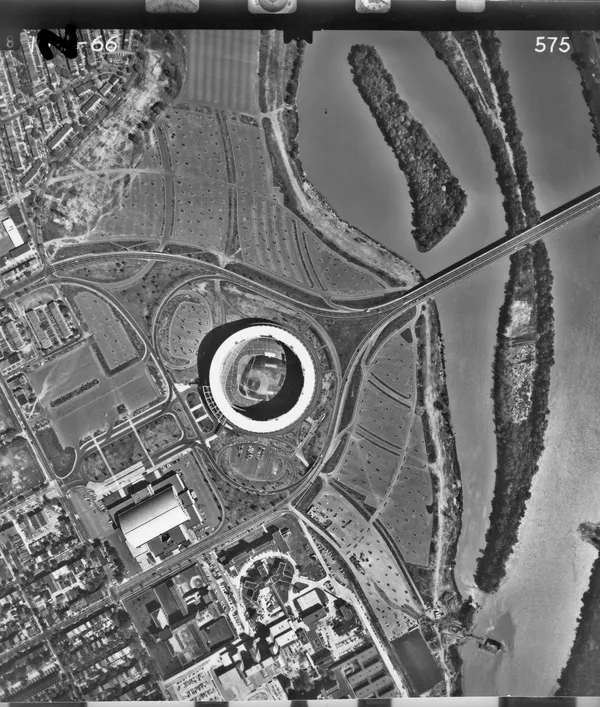
In the District, a redevelopment plan at the RFK Stadium site is built around a new Washington Commanders stadium and mixed-use construction. The announced framework has been described as a $3.7 billion project in which the team would fund about $2.7 billion, while the District would commit more than $1 billion through public financing mechanisms, fees, and bonds. The proposal includes housing, retail, parks and public amenities, and a covered football stadium targeted for the 2030 season, with additional buildout continuing beyond that date.
What is driving opposition in Washington
The central criticism in D.C. has focused on the scale and structure of public participation. Debate has sharpened over taxpayer exposure tied to infrastructure, site preparation, and stadium-adjacent facilities, along with questions about what alternative development scenarios at the RFK site could yield if a stadium were not the anchor. The plan requires D.C. Council approval, and scrutiny has extended to deal terms that include long-duration land arrangements and tax-related provisions tied to the stadium footprint.
- Projected public contribution exceeding $1 billion, including site and supporting infrastructure components.
- Governance questions about how revenue generated on-site is allocated over time.
- Policy debate over opportunity costs for the RFK property, including housing-only or transit-oriented alternatives.
Kansas and the state-line competition for the Chiefs
In Kansas, lawmakers created an expanded pathway to finance stadium construction through the state’s STAR bond framework, allowing a substantial portion of project costs to be repaid by diverting future tax revenues generated within a designated district. The 2024 legislation authorized the use of STAR bonds for eligible professional football or baseball projects meeting minimum investment thresholds and permitted financing up to 70% of costs with repayment periods extending to 30 years.
The policy was designed in part to compete with Missouri after Jackson County voters rejected a sales tax extension tied to stadium funding. The rivalry intensified when the Kansas City Chiefs later announced plans to relocate to a new domed stadium in Kansas by the start of the 2031 NFL season. The outlined plan referenced a roughly $3 billion stadium, with Kansas bonds supporting about 60% of the cost, alongside additional development elements including a training facility and an entertainment district.
Legal and accountability disputes
Missouri pursued its own incentive approach to retain the Chiefs and Royals, but the debate has not remained purely legislative. A lawsuit filed by Missouri lawmakers challenged aspects of Missouri’s stadium incentive law, arguing the program amounted to an unconstitutional transfer of public resources to private entities. In Kansas, the stadium-finance framework has also drawn criticism over transparency limits in negotiations and the long-term implications of locking in multi-decade tax diversions.
Across both jurisdictions, the disputes have converged on two measurable issues: the size of the public commitment and the enforceability of protections if revenue projections or development timelines fall short.
The parallel controversies illustrate a broader national pattern: even as franchises promise construction jobs, new districts, and civic prestige, elected officials are increasingly pressed to document fiscal safeguards, clarify opportunity costs, and explain why public subsidy is necessary for projects led by wealthy private operators.