D.C. air traffic controller describes staffing and helicopter procedures preceding the fatal 2025 Potomac midair collision
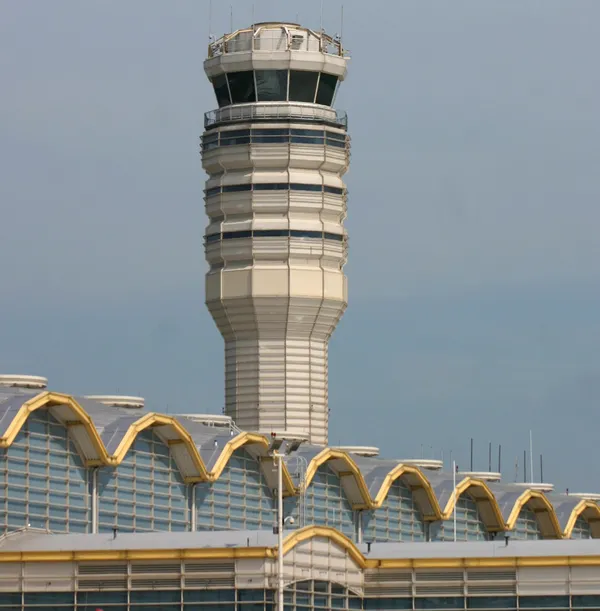
A controller’s account intersects with documented staffing and procedure concerns
A Washington-area air traffic controller has described operating conditions in the capital region’s complex airspace as highly demanding in the period leading up to the January 29, 2025 midair collision over the Potomac River, summarizing the system as one that “worked until it didn’t.” The crash involved an American Airlines regional jet on approach to Ronald Reagan Washington National Airport and a U.S. Army UH-60 Black Hawk helicopter, and it killed all 67 people aboard the two aircraft.
The controller’s description aligns with investigative records and public testimony that have focused on how staffing levels, task-loading, and reliance on pilot “see-and-avoid” techniques can compound risk in airspace where frequent helicopter operations overlap with dense airline traffic.
What investigators have established about the airspace and the night of the crash
Investigators have examined how helicopter routes and procedures near Reagan National interface with arriving and departing aircraft, including the use of visual separation techniques in which pilots are instructed to maintain separation by keeping other traffic in sight. In the D.C. region, those procedures have long been used to manage high helicopter volumes alongside commercial operations.
Records reviewed in the investigation have also highlighted operational factors under scrutiny on the night of the collision, including staffing configurations inside the Reagan National control tower and the sequencing of communications and clearances for both aircraft as the jet approached the airport at night.
Staffing pressures and combined duties remain central to the inquiry
Air traffic control staffing has emerged as a recurring issue in the broader discussion of aviation safety nationally, and the Washington region has been a focal point because of the unusually dense mix of commercial flights, government aviation, medical transports, and military training and transit flights.
Public reporting on early safety assessments after the crash indicated that staffing at the Reagan National tower at the time was not typical for the time of day and traffic level, with duties that are often handled by multiple positions sometimes consolidated. The controller’s “worked until it didn’t” characterization echoes the practical concern investigators are evaluating: whether routine workarounds can become fragile when traffic, visibility, or timing combine in unexpected ways.
Policy changes after the crash have targeted helicopter-airplane separation
In the wake of the collision, aviation authorities have moved toward limiting reliance on visual separation in favor of more standardized separation methods, including updated procedures intended to keep helicopters and fixed-wing aircraft apart during critical phases of flight near the airport. Federal safety officials have also addressed communications and coordination issues tied to the shared civil-military operating environment around Washington.
The crash occurred on January 29, 2025, during the jet’s approach to Reagan National, with both aircraft falling into the Potomac River.
The investigation has emphasized how staffing configurations, workload, and reliance on visual separation can interact in high-density airspace.
Post-crash actions have included procedural changes aimed at strengthening helicopter-airplane separation near Reagan National.
“It worked until it didn’t.”
The investigation remains the central forum for determining causal factors and identifying any systemic vulnerabilities, including whether long-standing operational practices were adequate for the risks present in the Reagan National environment.