Congress races to finish fiscal 2026 appropriations as January 30 deadline nears, with DHS unresolved
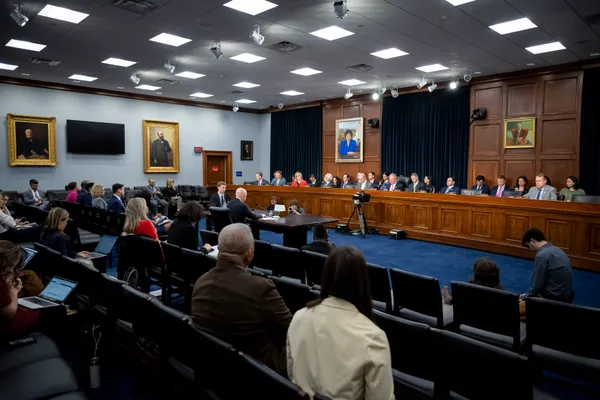
Appropriations talks enter final stretch after record shutdown and stopgap funding deal
Congress is moving to complete the remaining fiscal 2026 appropriations bills ahead of a January 30, 2026 funding deadline, as leaders try to avoid another lapse in federal funding just weeks after the federal government reopened from a 43-day shutdown.
In November, lawmakers enacted a stopgap measure that reopened federal agencies and extended most government funding through January 30 while also providing full-year funding for several areas, including Agriculture, Military Construction and Veterans Affairs, and the Legislative Branch. That framework created a compressed window for negotiators to finish the rest of the annual spending work that typically arrives through 12 separate appropriations measures.
Where the process stands: progress in the Senate, pressure on the House calendar
The Senate has advanced additional packages of appropriations legislation in January, increasing the number of bills cleared by both chambers but leaving several major departments still operating under temporary funding. Congressional leaders and appropriators have signaled an intent to bundle measures to speed floor action and reduce the number of separate procedural votes required in both chambers.
Lawmakers have also been balancing the practical goal of keeping agencies funded with unresolved policy disputes that can become attached to spending measures. The closer Congress gets to the deadline, the more leverage shifts toward broader packages and short time frames, a pattern that has often defined end-stage appropriations negotiations in recent years.
The central obstacle: Department of Homeland Security funding and oversight disputes
The most politically sensitive outstanding issue has centered on funding for the Department of Homeland Security, with disputes tied to immigration enforcement and oversight. Negotiations have focused on the scope and conditions of funding for Immigration and Customs Enforcement, including potential requirements for additional accountability measures.
Even when overall spending levels are in range for a bipartisan agreement, the DHS bill can become the deciding test because it touches operational authorities, detention funding, and enforcement policies. Those issues have complicated efforts to assemble majorities that can pass both chambers without major defections.
What is at stake if Congress misses the deadline
If lawmakers do not enact full-year appropriations or another continuing resolution by January 30, federal agencies without enacted funding would face a lapse in appropriations. During a shutdown, many government services are curtailed, a large share of federal employees are furloughed, and others are required to work without immediate pay until funding is restored.
- Timing: current funding authority for most agencies expires January 30, 2026.
- Legislative path: remaining measures could move as multi-bill packages to accelerate votes.
- Key unresolved area: DHS funding conditions and oversight provisions remain the most contentious component.
With only days remaining in the current funding window, congressional leaders are working to assemble final packages that can pass both chambers and be signed into law before the January 30 deadline.
House and Senate negotiators are expected to continue closed-door discussions in the coming days as leadership assesses vote counts, possible amendments, and the feasibility of passing either a final set of appropriations or a short-term extension.