Cold Washington winter could delay 2026 cherry blossom peak bloom as Festival dates approach in March
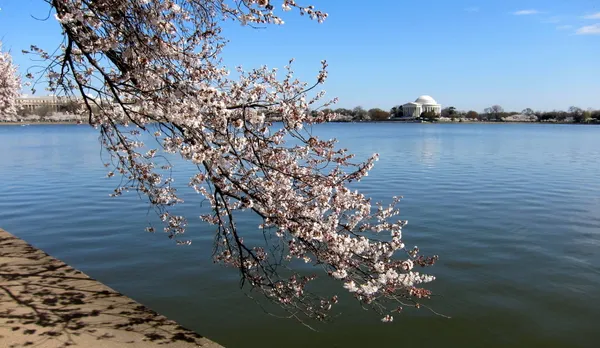
A later-than-usual bloom is possible after a colder winter pattern
Washington’s iconic cherry blossom season may arrive later than many visitors have come to expect, after a winter marked by sustained cold that can slow the trees’ progression toward flowering. The timing of peak bloom—defined as the point when 70% of the Yoshino cherry blossoms around the Tidal Basin are open—depends heavily on the buildup of warmth in late winter and early spring.
In past years, early-season warmth has accelerated development and pushed bloom dates earlier. By contrast, prolonged cold tends to delay the trees’ transition out of dormancy, postponing the sequence of bud stages that culminates in peak bloom. Park officials have said the recent cold has slowed the process but has not indicated widespread cold damage to the trees or recently planted saplings.
How peak bloom is determined and why timing can shift
Peak bloom is a specific biological benchmark rather than a festival milestone. It is reached when roughly 70% of blossoms are open in the monitored population of Yoshino trees near the Tidal Basin. The interval from early bud development to peak bloom can move quickly under sustained mild temperatures and strong sunshine, but it can also stall when nights remain cold or when cold air intrusions persist through March.
Historically, peak bloom has varied widely. Records show the earliest peak bloom occurring on March 15 (1990) and the latest on April 18 (1958), illustrating how sensitive the bloom cycle is to temperature patterns.
What recent seasons show about the bloom window
In 2025, the cherry blossoms reached peak bloom on March 28, aligning with a late-March projection and following a slower start that accelerated once warmer conditions took hold. That outcome underscored the central role of March temperatures: even after a colder winter, a sustained warm spell can rapidly advance bud development.
For 2026, winter conditions to date point toward a slower start, raising the likelihood that peak bloom could slide deeper into late March or early April if cold persists. A rapid shift remains possible if a pronounced warming trend develops in the weeks ahead.
Festival calendar is fixed, bloom timing is not
The National Cherry Blossom Festival is scheduled for March 20 through April 12, 2026. Because the festival dates are set well in advance, peak bloom can occur before, during, or after the festival’s busiest weekends. That mismatch is a recurring challenge for trip planning, particularly in years when late-winter weather remains volatile.
What visitors should monitor in the weeks ahead
- Temperature trends in early and mid-March, which can speed up or slow down bud development.
- Periods of heavy rain and strong winds, which can shorten the viewing window once blossoms open.
- Updates on bud-stage progression near the Tidal Basin, a key indicator as peak bloom approaches.
Peak bloom is reached when 70% of Yoshino blossoms are open around the Tidal Basin—an indicator driven by weather, not the festival calendar.
With several weeks remaining before late March, the most reliable indicator will be how quickly the trees move through bud development once consistent spring warmth arrives.