Civil rights groups object as National Park Service drops MLK Day and Juneteenth free-entry dates
A reshaped 2026 calendar for fee-free national park entry
Several civil rights and conservation organizations have raised concerns after the National Park Service removed Martin Luther King Jr. Day and Juneteenth from its 2026 schedule of entrance fee-free days and added June 14—Flag Day, which also falls on President Donald Trump’s birthday. The revised calendar took effect on January 1, 2026.
The list of fee-free entrance dates for U.S. residents in 2026 includes:
- February 16: Presidents Day
- May 25: Memorial Day
- June 14: Flag Day / President Trump’s birthday
- July 3–5: Independence Day weekend
- August 25: 110th anniversary of the National Park Service
- September 17: Constitution Day
- October 27: Theodore Roosevelt’s birthday
- November 11: Veterans Day
Martin Luther King Jr. Day fell on January 19 in 2026. Juneteenth is observed on June 19.
How access rules are changing for nonresidents
The revised approach also draws a sharper line between U.S. residents and nonresidents. Free entrance on the designated dates applies to U.S. citizens and residents only. Under the new structure, nonresidents are still required to pay entrance fees on those days and may face additional charges at certain locations.
The Department of the Interior also announced higher costs for nonresidents beginning in 2026, including a $250 annual pass for nonresidents compared with an $80 annual pass for U.S. residents, and a $100 per-person surcharge for nonresidents at 11 of the most-visited parks, in addition to standard entrance fees.
Concerns centered on civil rights holidays and public participation
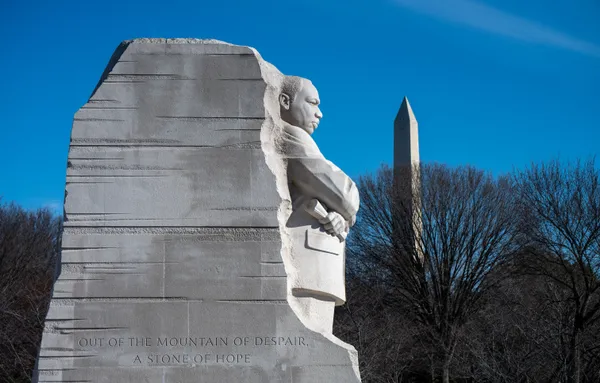
Groups criticizing the revised calendar have focused on the removal of the only fee-free days tied to widely observed Black history and civil rights commemorations. Martin Luther King Jr. Day, in particular, has been closely associated nationwide with volunteer projects and community service, including park cleanups and stewardship events at public lands.
Organizations objecting to the change have framed it as a step away from using fee-free days to broaden access and participation around major civic observances, while the administration has described the updated schedule as emphasizing patriotic commemorations and prioritizing benefits for U.S. taxpayers.
The entrance fee waiver applies only to standard park entry and does not necessarily cover other charges such as timed-entry reservations, special tours, or concession services.
What remains unchanged
National parks remain open on federal holidays, including Martin Luther King Jr. Day, even when entrance fees are not waived. Veterans Day remains on the fee-free calendar, and several other dates now emphasize federal commemorations, institutional anniversaries, and presidential history.