BWI urges earlier airport arrival as security checkpoint waits lengthen, affecting departing passengers during peak periods
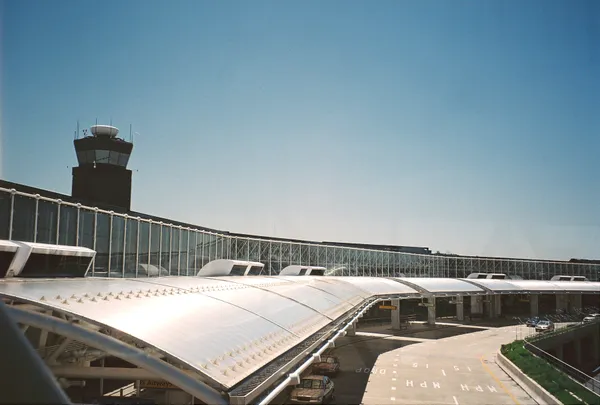
Advisory highlights longer-than-usual processing times at security checkpoints
Baltimore/Washington International Thurgood Marshall Airport (BWI) has issued an advisory urging departing passengers to arrive earlier than usual as wait times increase at security screening checkpoints. The alert reflects operational pressures that can cause lines to grow quickly, particularly during high-volume departure banks and in the early-morning travel window.
While airport security throughput can change hour by hour, the advisory is aimed at reducing missed flights and easing crowding in ticketing and checkpoint areas. Long lines are not solely a security-lane issue: travelers who arrive tight to departure can also be delayed by parking shuttles, bag-drop lines, and airline cut-off times for checked baggage.
What passengers should plan for before reaching the gate
BWI operates multiple security checkpoints, and processing times can vary by checkpoint, staffing levels, and passenger volume. In addition, screening times may be extended by secondary screening, alarms triggered by carry-on items, or random enhanced screening protocols. Even modest increases in volume can create cascading delays when peak departures overlap with limited checkpoint capacity.
Airport guidance to “arrive early” is typically designed to cover the full sequence from curb to gate—parking or drop-off, airline check-in, baggage acceptance, security screening, and walking time to the boarding area. Travelers with families, special assistance needs, or lots of carry-on items often require additional buffer time.
Build extra time for parking and terminal transit, including shuttle waits from off-site lots.
Account for airline counter and checked-bag cut-off times, which may occur well before departure.
Use official airport and federal screening wait-time tools when available, but recognize that conditions can change rapidly during peak surges.
Regional context: travel surges and federal screening constraints
BWI is a major hub for the Washington–Baltimore region, and passenger loads rise sharply around holidays, school breaks, and Monday and Friday commute-heavy periods. These surges can coincide with weather disruptions elsewhere in the national air system, pushing rebooked travelers and irregular operations into already-busy checkpoints.
Nationally, security processing capacity can also be affected by federal staffing and operational constraints. When screening staffing is strained, even brief disruptions—equipment issues, brief checkpoint pauses for law enforcement activity, or uneven passenger flows—can expand into extended lines.
The practical effect of BWI’s advisory is straightforward: travelers who plan to arrive with minimal margin are at higher risk of missing boarding windows when checkpoint waits stretch beyond typical expectations.
What to do if your flight is soon
Passengers traveling in the next 24 hours should consider arriving earlier than their usual routine, monitor airport and airline alerts, and keep essential items accessible for screening to reduce the chance of delays. Travelers who anticipate tight connections, checked bags, or peak departure times should build additional buffer time to ensure they reach the gate before boarding begins.