Bowser outlines District snow response as ‘snowcrete’ slows cleanup, services adjust across Washington
City shifts from storm preparation to extended cleanup operations
Washington Mayor Muriel Bowser used a series of operational briefings from late January through February 2, 2026, to detail how the District is responding to a winter storm that left a stubborn mix of snow, sleet, and ice across the city. Officials described the primary challenge as a hardened, compacted layer that formed after the storm—informally referred to by city leaders as “snowcrete”—which has slowed plowing and required heavier equipment than typical snowfall events.
The District’s snow emergency was declared ahead of the storm and later extended as crews encountered widespread icy buildup. During the emergency, parking restrictions apply on designated snow emergency routes to allow curb-to-curb operations, and vehicles can be ticketed and towed if left in restricted areas.
Equipment, staffing, and priorities: main roads first, then neighborhood streets
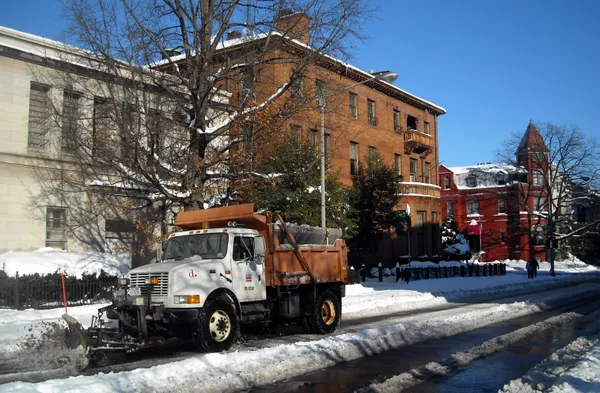
City officials said snow and ice response has relied on a large fleet of plows supplemented by contractors and additional heavy machinery. As conditions evolved, the District expanded beyond standard plowing operations to include front loaders and dump trucks capable of breaking up and hauling packed snow and ice.
Operational priorities outlined during briefings included keeping major corridors, bridges, and emergency routes passable while shifting resources to residential streets as progress allowed. Officials also cited targeted work around transit access points such as bus stops and shelters, where pedestrian mobility can remain limited even after road lanes reopen.
- Snow emergency route restrictions remained a central enforcement tool to keep arteries clear.
- Additional equipment was deployed to address compacted ice and widen travel lanes.
- Contractors and specialized crews were assigned to problem areas, including unplowed or narrowed streets.
Service disruptions and phased resumption of operations
The storm response also affected city services. Trash and recycling collection was paused during peak cleanup operations, with resumption planned in phases as access to streets and alleys improved. Officials said municipal crews prioritized clearing public infrastructure and critical routes while working toward restoring normal collection schedules.
Government and school schedules were adjusted during the most disruptive period. The District announced delayed openings for public operations on specific dates as extreme cold followed the storm, while school systems across the region varied in their reopening timelines based on road and sidewalk conditions.
City officials emphasized that the hardened snow-and-ice layer created removal conditions more comparable to a major ice event than a routine snowfall.
What residents were told to do during the snow emergency
District guidance during the emergency focused on practical compliance measures: moving cars off snow emergency routes, limiting nonessential travel during hazardous periods, and monitoring city updates on when restrictions would be lifted. Residents seeking a towed vehicle were directed to the city’s towing locator process, while the administration also promoted cold-weather resources for vulnerable residents and those needing transportation to shelter.
As of the February 2 operational update, the District framed the response as ongoing, with continued ice removal, service normalization, and targeted work on remaining trouble spots expected in the days ahead.