Bowser declares emergency over Potomac sewage spill as DC Water pursues federal assistance and repairs
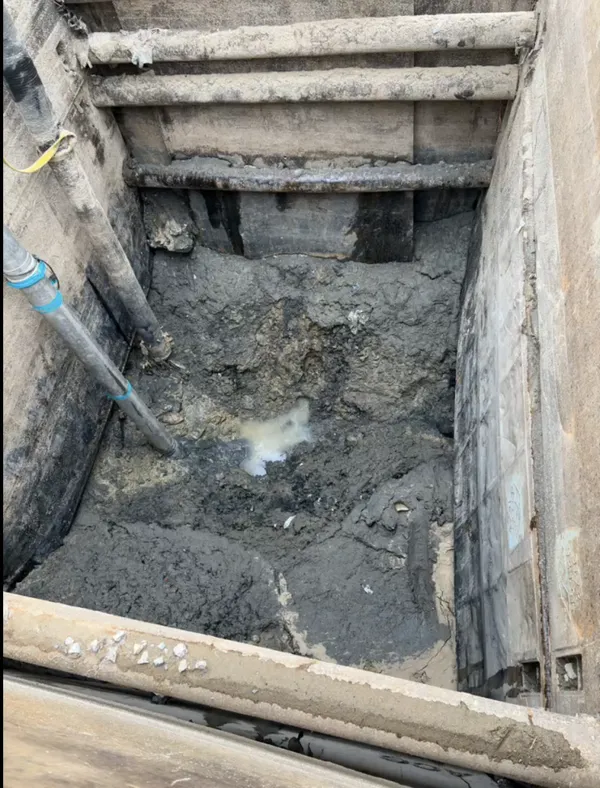
Emergency declaration seeks faster coordination and potential federal cost reimbursement
Washington, D.C. Mayor Muriel Bowser has declared a local public emergency in response to a major sewage spill into the Potomac River, a step intended to strengthen coordination and support a request for federal disaster assistance. The declaration follows a January failure of a large regional sewer line that has sent untreated wastewater into the river upstream of the District.
The spill began after a collapse of the Potomac Interceptor, a major sewer pipeline that carries wastewater from portions of the Washington region to the Blue Plains treatment facility. The rupture occurred on January 19, 2026, along the Clara Barton Parkway corridor in Montgomery County, Maryland, near the C&O Canal. Officials have described the incident as involving hundreds of millions of gallons of untreated wastewater entering the Potomac.
What officials say is known about the break and ongoing work
The Potomac Interceptor is a 72-inch-diameter pipeline originally installed in the 1960s. Since the collapse, crews have worked to route wastewater around the damaged section using an emergency bypass system while attempting to stabilize conditions at the site. The bypass has been described as critical to limiting further overflows as repairs proceed.
DC Water has publicly stated that the regional drinking-water supply is not impacted. At the same time, District environmental officials have issued public-health advisories warning residents to avoid contact with Potomac River water and to refrain from river recreation, including fishing, while monitoring continues.
Incident start: January 19, 2026 (pipeline collapse and uncontrolled overflow).
Scale: officials have cited totals in the hundreds of millions of gallons of untreated wastewater released.
Public guidance: avoid contact with river water; drinking water described as safe.
Timeline: emergency repairs now measured in weeks; full rehabilitation could last months
DC Water has said emergency work is expected to take roughly four to six weeks, centered on isolating the damaged section, clearing blockages, and enabling direct access for repair. The utility has also outlined a longer rehabilitation effort expected to extend for roughly nine to ten months after emergency stabilization, reflecting the complexity of rebuilding and relining damaged segments and restoring the system to normal operation.
The emergency declaration is designed to support additional operational resources and strengthen intergovernmental response as repairs and environmental monitoring continue.
Intergovernmental role and federal involvement
The spill has triggered cross-jurisdictional response because the rupture occurred in Maryland but affects a river that borders multiple states and the District. The sewer line is operated by DC Water, and federal environmental oversight has been part of the response framework. In recent days, federal officials and regional leaders have exchanged public statements about accountability and the pace of the response while repair crews continue work at the collapse site.
For District residents, near-term impacts center on river access and recreation, odor complaints in some areas, and heightened scrutiny of aging regional water infrastructure. Monitoring and repair updates are expected to continue as officials work to reduce overflows and move toward permanent restoration.