Bowser activates DC National Guard to speed sidewalk clearing after storm leaves persistent “snowcrete”
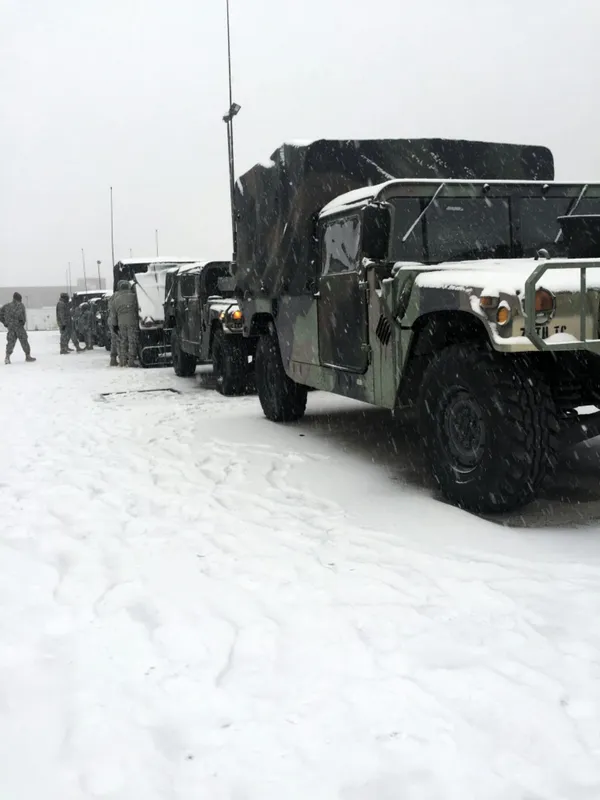
National Guard assigned to pedestrian access as city expands contractor and equipment response
Washington, D.C. officials have activated the District of Columbia National Guard to help accelerate post-storm cleanup, with a focus on sidewalks and other pedestrian routes that remain blocked by compacted snow and ice. The decision comes as the city continues to contend with unusually stubborn accumulations created by a mix of snow, sleet, and freezing temperatures that hardened into dense layers widely described as “snowcrete.”
The deployment is part of a broader operational push that includes additional contractors and specialized equipment intended to improve access to bus stops, schools, and other high-foot-traffic areas. City agencies responsible for snow and ice operations have prioritized routes where pedestrian mobility and transit connections are most constrained, including curb ramps and bus shelters.
Why sidewalks became the pressure point
Weather conditions over several days contributed to a cleanup challenge that city crews described as different from a typical snow event: snowfall was followed by sleet and prolonged cold that prevented melting and made plowing less effective. The hardened buildup has slowed progress on streets and, in many neighborhoods, left sidewalks in uneven and hazardous condition even as main roadways improved.
City operations have relied on hundreds of plows supplemented by heavy equipment such as loaders and dump trucks to break up and haul away compacted snow. Officials also expanded snow-hauling operations to additional staging locations as primary drop sites filled, an indicator of the volume being removed rather than merely pushed aside.
Service disruptions and enforcement timeline
Cleanup constraints have also affected basic services. Trash and recycling schedules were disrupted during and after the storm, with the city shifting priorities during the peak response period toward core snow and ice work and public safety needs. Officials have outlined a phased return to normal collection, with adjustments based on passability of streets and, especially, alley conditions.
Separately, the District’s sidewalk snow-removal rules remain in effect for most property owners after storms. Enforcement typically resumes after an initial grace period, while exemptions are available for qualifying seniors and residents with disabilities through an established city program.
How officials describe the Guard’s role
The Guard’s assignment is framed as logistical support aimed at restoring safe movement through the city rather than law enforcement activity. In this operation, the priority is practical: clearing walkways and chokepoints that affect commuting, school access, and mobility for seniors and people with disabilities.
- Primary focus areas include sidewalks, curb ramps, bus stop approaches, and selected corridors with high pedestrian demand.
- City agencies continue to use plows and heavy equipment for streets while allocating additional personnel to areas that machinery cannot reach effectively.
- Residents are still expected to clear sidewalks adjacent to their properties unless exempted under city rules.
City officials have described the post-storm objective in operational terms: restoring basic access first, then addressing remaining residential and neighborhood-level issues as conditions allow.
The coming days of subfreezing temperatures are expected to remain a decisive factor. Without sustained thawing, crews will continue relying on mechanical removal and targeted salting to break up remaining “snowcrete,” while the added personnel from the National Guard is intended to shorten the timeline for restoring pedestrian access citywide.