All departures canceled at Reagan National as winter storm disrupts flights at BWI and Dulles
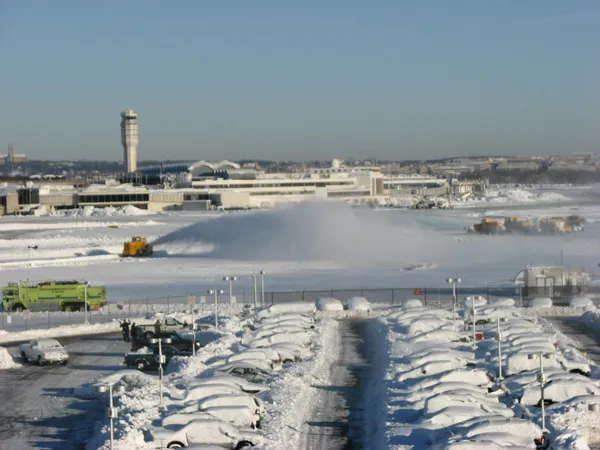
Flight operations halted at DCA; regional disruptions spread across major Mid-Atlantic airports
Air travel in the Washington region ground sharply lower on Sunday, January 25, 2026, after airlines canceled all flights at Ronald Reagan Washington National Airport (DCA) amid winter storm conditions. The airport reported that snow began around midnight and that airfield crews worked through the day to clear snow and sleet as hazardous weather persisted.
The shutdown at DCA occurred within a broader, nationwide aviation disruption driven by a large winter storm system that affected a wide corridor of the United States. Across the country, more than 11,000 flights were canceled on Sunday alone, reflecting one of the largest weather-related interruption events in U.S. air travel in recent years.
How DCA’s full-day cancellations fit into the wider weather-driven slowdown
At Reagan National, the key operational impact was the loss of scheduled departures for the day. Airports can remain physically open while airlines preemptively or reactively cancel flights when runway conditions, deicing capacity, and air traffic constraints make normal schedules unworkable. Even when local airfields begin to improve, flight networks often recover unevenly because aircraft and crews may be out of position across the system.
In the region, Baltimore/Washington International Thurgood Marshall Airport (BWI) and Washington Dulles International Airport (IAD) also recorded significant cancellations and delays. While neither airport reported an all-day, all-flight halt on the scale of DCA, the combined effect across the three major airports tightened available options for travelers attempting to reroute.
Operational factors affecting recovery
Airfield clearing and deicing demand: Continuous or heavy precipitation increases the time required to keep runways, taxiways, and gates usable, while also expanding aircraft deicing needs.
Aircraft and crew positioning: Cancellations at one airport can cascade when inbound aircraft never arrive, limiting later departures even after conditions improve.
National airspace constraints: Disruptions at major hubs along the East Coast can reduce the ability to absorb rerouted passengers and equipment.
What travelers should expect
For passengers with tickets touching the Washington region, the most immediate issue is rebooking capacity. Airlines commonly issue travel waivers during major winter events, enabling changes without standard change fees, but availability can remain limited as backlogs build. Travelers who decide not to take the trip after a cancellation are generally eligible for refunds for unused flights under U.S. consumer rules, though processing times can vary by airline and channel of purchase.
With widespread cancellations across multiple airports, the fastest path to recovery often depends on systemwide aircraft and crew repositioning rather than local weather alone.
As the storm’s impacts continued beyond a single day, airport and airline operations teams faced the dual challenge of restoring local airfield readiness and untangling network disruptions extending well outside the Mid-Atlantic.