A fact-checked guide to experiencing Washington, D.C., through Black visual art and public culture
Black visual art as an organizing map for the capital
Washington, D.C.’s Black visual culture is anchored in major institutions while also unfolding across neighborhoods through murals, galleries, and community spaces. A recent branded travel feature highlighted a cross-section of places where Black creativity, local history, and public life intersect—from hotel programming and business-improvement-district art walks to independent cultural institutions rooted near Howard University.
NoMa: public art, civic memory, and a walkable gallery
In Northeast D.C., Alethia Tanner Park stands at the center of a corridor where public art is used as both placemaking and storytelling. The park is named for Alethia Tanner, who was born enslaved in Maryland in the 1780s and purchased her freedom in 1810; the NoMa Parks Foundation notes she also purchased the freedom of family members and supported educational initiatives for African Americans in the District. The D.C. Council approved legislation in 2019 formally naming the park.
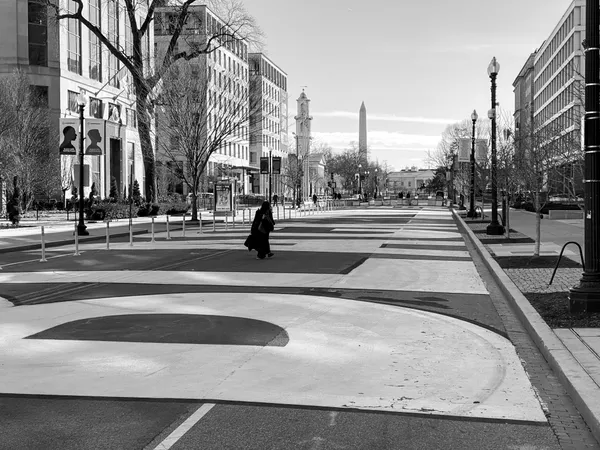
Public art in the wider NoMa area is also organized through a neighborhood art-walk model. A NoMa public art app describes more than 70 active installations and frames the full tour as approximately two miles, suggesting a structured way for residents and visitors to navigate murals and installations as a cohesive outdoor exhibition.
Dupont Circle: hospitality spaces as rotating exhibition platforms
In Northwest, The Ven at Embassy Row markets an on-site “aVENues of connection” art gallery and describes rotating exhibits and partnerships with local artists and community organizations. The approach reflects a broader trend in D.C. hospitality: using lobby galleries and event programming to connect visitors to nearby cultural districts, while blending commercial space with public-facing art display.
Independent cultural institutions: Sankofa’s long-running model near Howard University
Across from Howard University, Sankofa Video, Books & Café identifies itself as founded by filmmakers Haile Gerima and Shirikiana Gerima and dates its origins to the late 1990s. The store describes a mission centered on works by and about people of African descent and positions its venue as a space for programming, discussion, and cultural continuity—an example of how visual culture, publishing, and community events often operate together in D.C.’s Black cultural infrastructure.
Food as a cultural canvas
The travel feature also tied visual culture to dining, a common pairing in D.C.’s neighborhood economies. St. James, a modern Caribbean restaurant on 14th Street NW, appears in the MICHELIN Guide’s Washington listings, reflecting how culinary venues are frequently framed as part of the city’s broader cultural itinerary.
- Public art can be experienced as a route (NoMa’s two-mile art walk) rather than a single destination.
- Place names and park histories can function as entry points to Black civic history (Alethia Tanner Park).
- Independent institutions near Howard continue to blend art, education, and community programming (Sankofa).
In D.C., Black visual art is encountered across institutions, streetscapes, and neighborhood gathering places—often in the same afternoon.